Bean To Coffee Machine Explained In Less Than 140 Characters
Bean to Cup Coffee Machine A bean to coffee machine is a complete appliance that grinds whole beans before brewing. It allows users to customize the drink settings to suit their personal preferences. 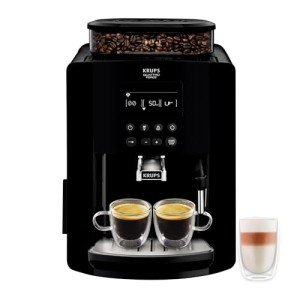 There are also a variety of hot chocolate and tea choices. Cappuccino, espresso and latte are the most popular drinks made from coffee. The Grinder The grinder is one of the most vital components of a bean-to-cup machine due to its role in to making a great tasting coffee. The grinder is responsible to grind whole beans into a fine powder before they're brewed, which is an aspect that determines the amount of flavor the resulting cup of coffee will possess. Coffee grinders can be purchased separately and installed on a regular coffee maker, or they can be integrated to a bean-to-cup machine. If you buy a coffee machine with a built in grinder then the beans will be pulverized prior to brewing and make the entire brewing cycle as seamless and easy as is possible. However, an additional grinder could be a good alternative for those who don't want to deal with an extra appliance in their kitchen, or prefer to stick with pre-ground coffee beans. If you choose this option, make sure to select a model which is both sturdy and quiet, so as not to disrupt your morning routine. In terms of ease of use, this coffee maker has a distinct advantage over models that have integrated grinders because you'll have complete control over the fineness or coarseness of your beans are processed. This feature also helps to stop the oxidation of beans which can result in poor tasting coffee. This model isn't just easy to use, but also has some other outstanding features. For instance the brew basket as well as filter can be easily removed for cleaning in the sink, which means that you don't have to struggle with a clogged machine or spend a lot of time cleaning out those hard-to-reach nooks and crevices. A water reservoir that can be removed, as well as an open window makes it easy to monitor your water level. Finally, this machine uses a conical burr grinder which is more durable than blade-style machines and guarantees a consistent grind. This means that you'll get the most robust, classic cup of coffee. This is a great choice for those who want to get the best cup of coffee each day. The Brewing Unit The Brewing unit is an essential component of a bean to cup coffee machine. It grinds coffee beans into fine powder, doses the right amount of ground coffee in the filter and then presses hot water under pressure through the ground. This results in a an aromatic, rich coffee that can be dispensed into cups to drink. The brewing unit can automate this process, allowing users to customize their drinks. The strength of the brew, temperature and other settings can be altered by the consumer to make their ideal cup of coffee. Although it is possible to create a great cup of coffee using a basic bean-to-cup machine, more sophisticated models provide several additional features that help improve the overall brewing process. Many bean to cup machines include an additional hopper to accommodate different types milk. This allows you to provide more drinks, such as white chocolate, which can increase profits and customer satisfaction. Other options include a milk frother and hot water dispensers which make it simple to make cappuccinos and lattes. This can improve customer satisfaction and profit by allowing customers to choose the type of drink they want to drink at home or in their office. In addition, some coffee machines have another hopper which can be used to store sugar for espresso-based drinks. Whatever coffee machine from beans Coffeee decides to purchase, it is vital that they are aware of the maintenance requirements. The brewing unit, grinder and water system require regular maintenance and cleaning to ensure that they function effectively. It is recommended that users consult the recommendations of the manufacturer for the proper maintenance and cleaning schedules to extend the life of their bean-to-cup coffee maker. Certain tasks might need to be performed weekly and others could be done at longer intervals. The more often these tasks are carried out more likely the brewing unit is to break down or be damaged. For best results, it is recommended that users utilize products that are safe to use on the brewing unit and are food grade. The Water System Bean to cup machines are a great way to provide your guests and employees with a top coffee experience without the need for training for staff or the risk of wasting coffee. This is because everything occurs inside the machine and is completely automated and allows employees to take their coffee and go back to work. Unlike pod machines, which utilize pre-packaged, plastic-based coffee, bean-to-cup machines utilise whole beans and freshly ground coffee. This provides better quality and consistency, and is cheaper than buying expensive coffee pods. They are extremely easy to use and operate. Just hit a button and you will have an ideal cup in a matter of minutes. The majority are plumbed in, so you can avoid having to refill your water tanks on a regular basis. However, you must keep the machine topped up with clean, fresh water though – this is to ensure that it does not get blocked by mineral or scale build-up that can cause damage and affect the taste of your coffee. The majority of machines come with an assortment of pre-programmed drinks that you can choose from however, they can also be used to create custom orders. Certain machines can texturize the milk to create frothy drinks such as cappuccinos and lattes and a barista-style finish. As mentioned earlier, it's essential to ensure that the machine is topped with clean, fresh water specifically filtered to allow coffee making. The taste and performance of your coffee can be negatively affected by mineral buildup, which is caused by magnesium, calcium or other dissolved minerals that enter the system. This is why many coffee machines will include a water solution that will automatically distribute the right amount of filtered water for each drink you make. Regularly cleaning and descaling the machine can also help it avoid problems like scale buildup and leaks. This will keep the machine running smoothly, and will prolong its life because it will not be damaged by any build-up that could potentially cause damage to internal components. Control Panel Control Panel Most bean-to-cup coffee machines have a control panel which lets users choose their beverage. If they are available, this can include the coffee strength and type. Some also offer settings for milk temperature and texturizing, which allows the machine to automatically pour various popular coffee drinks, including espresso, cappuccino and latte. The control panel can include touch screens or other advanced technology for an enhanced user experience. A bean-to-cup coffee maker requires regular maintenance and cleaning to ensure optimal performance. This is typically done with the use of a cleaning cycle that flows hot water through the machine to get rid of any coffee residue. If you want to do more thorough cleaning at regular intervals, Descaling sets are also available. It is essential to adhere to the recommended cleaning schedules specific to your brand of coffee machine to prevent damage and keep it running as smooth as possible. In contrast to pod machines, bean-to-cup models let you select from a wide variety of whole coffee beans. This gives them a richer and more authentic taste. Some also have the capability to adjust various settings, such as grind size, water temperature and brew strength to ensure a perfect cup of coffee each time. In terms of ease of use, a bean-to-cup coffee machine is the most popular option for those who wish to brew fresh, high quality, barista-style coffee at the touch of a button. They are great for commercial settings, such as offices, where staff may lack the time to make their own coffee. They might cost more upfront than a coffee pod machine, but they will save you money in the end by removing the necessity for pre-ground or pre-packaged pods. They can also reduce waste by not having to dispose of coffee pods that are empty. They're also a better option for those who value consistency since the automated process eliminates human errors.